


From Kopitiam Dreams to Global Markets Real Stories Behind Malaysian Entrepreneur Success
In any kopitiam in Petaling Jaya or a hipster café in Bangsar, on any given day, you’re sure to find conversations at the next table revolve around “business”. Malaysians are a pretty restless lot. We all have dreams about being our own bosses. But realistically speaking, starting a business in Malaysia is more than having a “Syok” idea! There are so many different challenges thrown at us by the unique character of our marketplace. When it comes to Malaysia entrepreneur success stories, many people tend to think of major names such as Anthony Tan or Tony Fernandes. But take a look around, and you’ll find that there is a growing number of founders who started their ventures with virtually nothing and have successfully disrupted industries that we thought were “untouchable”.
- From Kopitiam Dreams to Global Markets Real Stories Behind Malaysian Entrepreneur Success
- Why some local brands “Booms” while others stay stuck
- The grit behind the Malaysia entrepreneur success stories
- Modern Malaysia entrepreneur success stories and the digital shift
- Finding the “Winning Formula” in a crowded market
- The roadmap to becoming a business leader
📈 2026 Entrepreneur Pulse
Why some local brands “Booms” while others stay stuck

Have you ever wondered why certain retailers stay packed with shoppers whereas others who sell superior products struggle to get even one buyer in their store? The reason often has very little to do with the product that is for sale. In fact, when looking at the many successful entrepreneurs operating in Malaysia, the most common “trick – secret sauce” that these individuals have is the ability to read and know Malaysian sentiment.
For the longest time, there has been a gap in the availability of quality coffee in Malaysia. There were only two options prior to Zus Coffee. Either you could have a 3 in 1 coffee or you could pay premium prices for coffee from an expensive chain. When Zus Coffee opened, they identified this opportunity and created a solution for customers by providing quality coffee at an affordable price. One of the best examples of a successful Malaysian startup. They did not reinvent coffee but rather they localized the whole experience and pricing model.
In general, the most successful entrepreneurs in Malaysia have all had an initial experience of observing a common “pain point”. So that they could provide a solution for, while most other people just complained about this “pain point”. Such as: Where can I park; and how can I get local Malaysian snacks delivered to my front door? The best owners build their business around fixing these “small” problems that affect millions of others.
The grit behind the Malaysia entrepreneur success stories
Founder photos on LinkedIn often show the “founder” dressed in a suit and tie wearing a big smile but for most business leaders in Malaysia, their path has included many nights of “makan maggi”. Take for example Goh Ai Ching, the co-founder of Piktochart. When she first started out, Goh was not in Silicon Valley but in Penang, Malaysia. While she struggled to meet her financial obligations at times, her focus remained on building a global tool out of the local market. This type of example is a perfect example of Malaysia entrepreneur success stories by utilizing local talent to address global issues and keep costs to a minimum.
When building a business in Malaysia, you will be working with a very diverse marketplace. This means you are not only marketing/selling to one type demographically. But you are also marketing/selling to multiple cultures and languages with many different spending habits. Most of the top stories of successful founders from Malaysia illustrate precisely this: if you can develop your business in Malaysia, then you will likely be able to develop your business anywhere in Southeast Asia as you have now passed the “Ultimate Stress Test.”
Modern Malaysia entrepreneur success stories and the digital shift
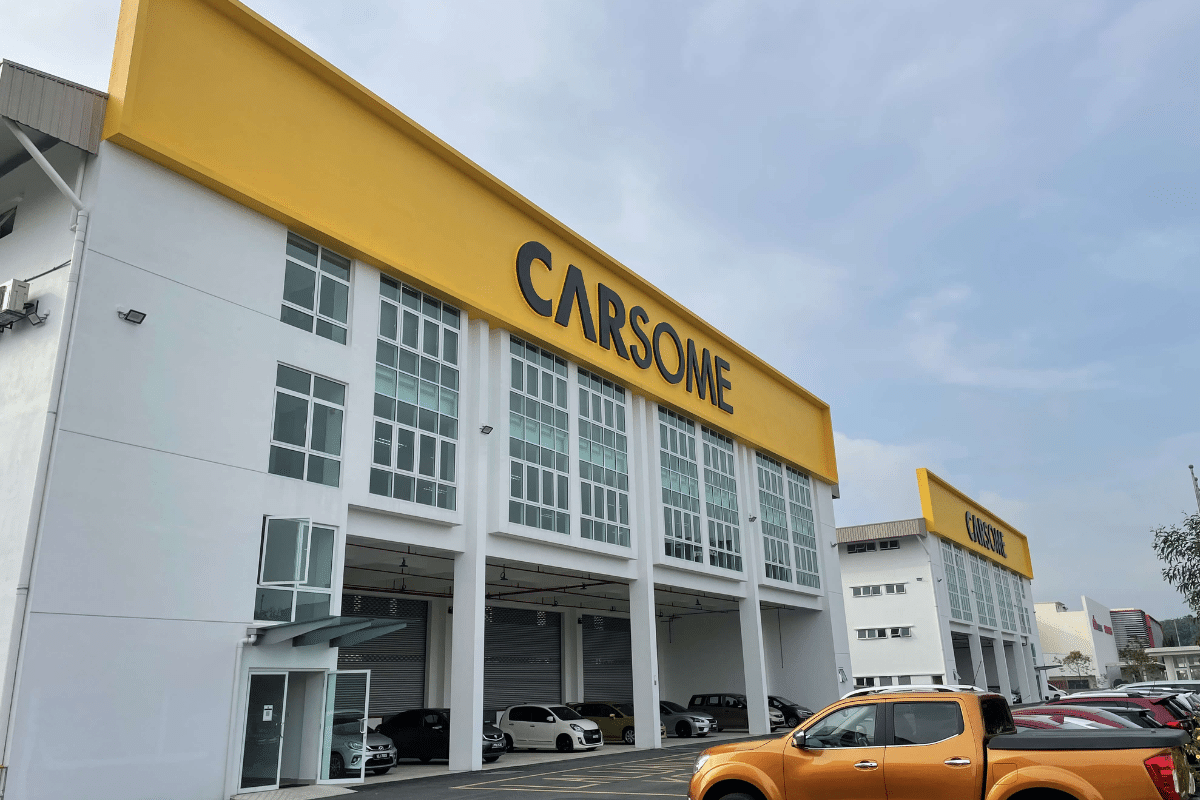
Many of the founders of Malaysian success stories today that are young entrepreneurs are saying that the traditional approach to opening a business. Which is having a store and waiting for people to come in, is no longer valid. There is now a digital landscape so that anyone could be a child in Melaka selling homemade sambal and one day ship that sambal to London because of digital marketing.
Carsome is just one example of how they took what was previously the “terrible” process of selling a used car and made it a 30-minute digital experience. This is a huge example of a business case study from Malaysia. They took an industry that had been operating from the 1990s and used technology to modernize it into 2026. Moreover, they did not only produce an application. They created trust in an industry that generally does not have trust.
Finding the “Winning Formula” in a crowded market
Many individuals inquire whether it is too late to begin their journey. However, based on successful Malaysian entrepreneurs present today, starting first or being the ‘first mover advantage’ is irrelevant when looking at other successful entrepreneurs from Malaysia. It has more to do with ‘finding a specific small area you can excel at’ as demonstrated by the many successful Malaysian entrepreneurs. Today’s successful Malaysian entrepreneurs have primarily been focusing on the “Vertical Focus Model”. Instead of trying to create another Amazon they have attempted to become ‘the best in their selected verticals’. Example Halal certified skincare products, or environmentally friendly packaging materials for Nasi Lemak sellers.
When reviewing the experiences of other Malaysian entrepreneurs and their successes, one large pattern emerges. These successful entrepreneurs do not attempt to change existing purchasing habits of their customers. Instead they make it easy for their customers to continue to purchase products/services just like before. The majority of Malaysian’s love their food, love to save money and love convenience. If your business falls into any one of these three key criteria, you’re likely on your way toward being acknowledged as a top Malaysian entrepreneur.
The roadmap to becoming a business leader

IGetting lost in the “Hype” is easy. The media show us stories about Malaysia’s Entrepreneurs rising from nothing to success, and it seems to happen instantly, however that is not the case. Most of these Entrepreneurs have spent a lot of time during the “Invisible Phase.” It’s that time, sometimes 18 hours a day, where friends and family ask you: “When are you going to find a real job”? This is where you create character, and if you look at every entrepreneur success story from Malaysia, you will find there is at least one chapter titled “Near Death-Experience” of when the business almost failed.
If you want to have a successful experiment in Entrepreneurship, you need the desire to pivot. When you hear the market say “No” you don’t give up you change the “How”. This is why Malaysia has such resilient businesses. We are accustomed to “Adapting” (or what we call Cincai but in a business sense). Looking to the future, the next wave of Malaysian entrepreneur success stories will be more than just technological successes. They will also encompass brands that connect Tradition with Technology. Family-owned furniture shops using AI to design homes and Traditional tea merchants going viral on TikTok are just two examples of the endless opportunities available.