


Beyond the Hype What Makes These Malaysia Startup Founders to Watch So Different
The mood in Malaysia’s startup scene is changing, and a new wave of Malaysia startup founders to watch is emerging. No longer do we want to be “the next Grab”. Rather, we want to solve those everyday problems that make living in Malaysia frustrating. The “Top Malaysian Startup Ecosystem 2026” has matured. Instead of copying other companies, we are seeing entrepreneurs who look at challenging industries—like logistics, agriculture, and even insurance—and create solutions from within. Solving real problems builds stronger, more authentic brands for these founders.
- Beyond the Hype What Makes These Malaysia Startup Founders to Watch So Different
- Summary
- Why “Problem Solvers” are the top Malaysia startup founders to watch
- The specific names and Malaysia startup founders to watch this year
- How Malaysian tech startup founders navigate the “Valley of Death”
- What we can learn from Malaysian unicorn startup founders
Summary
🚀 2026 Founder Insights
Why “Problem Solvers” are the top Malaysia startup founders to watch

There was a time when simply saying you were “Uber of X” was enough to secure funding. No longer is this the case. Investors and consumers have become much more sophisticated, and we have all had negative experiences with apps that were visually appealing but failed to deliver when the internet was slow or we required support from the app provider. The entrepreneurs of today’s Malaysian startup community understand and will permanently create barriers to the delivery of effective solutions.
The founder addressing the halting of money transfers in Malaysia is a good example of creating barriers. While people were only thinking about cashless payments through e-wallets, there are many small businesses at night markets that operate on cash. Entrepreneurs creating these barriers are the true leaders of the Malaysian startup community. It is because they build trust with their technology solutions. Most successful entrepreneurs spend a great deal of time working with customers using a mix of local dialects to gain customer trust.
The specific names and Malaysia startup founders to watch this year
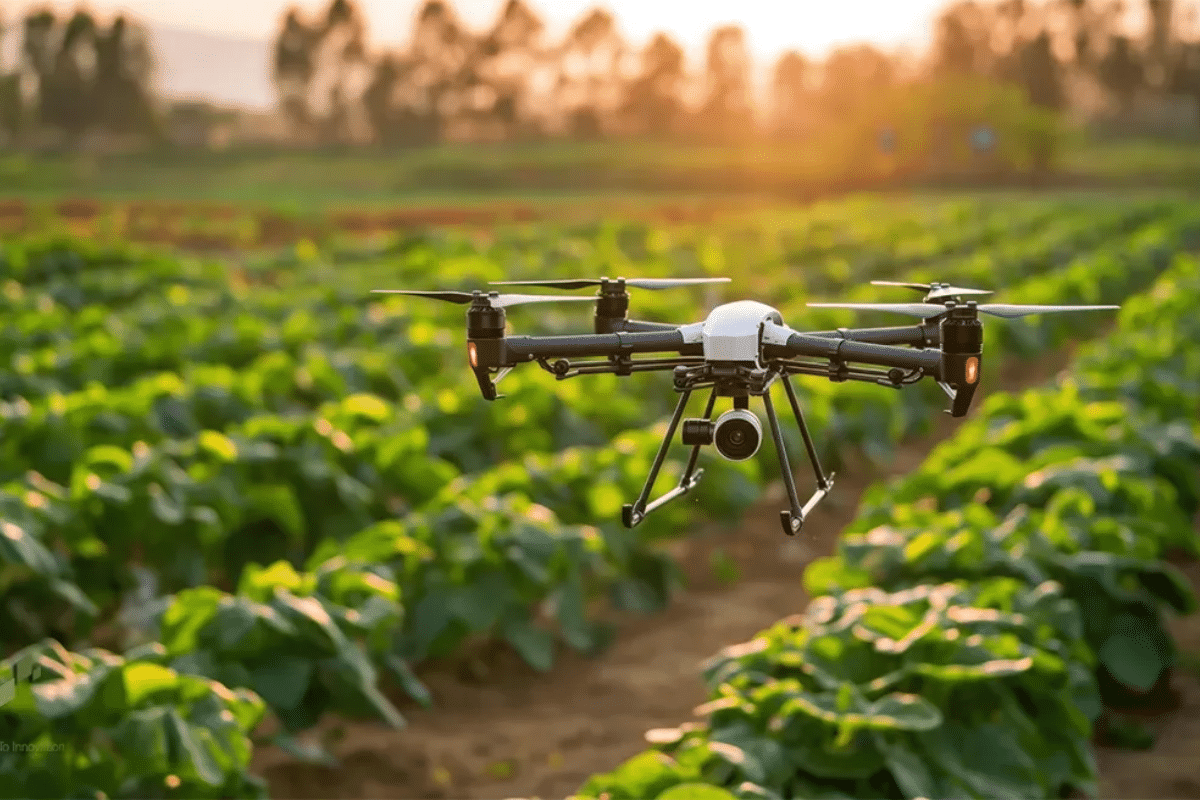
As we look at the potential industries for 2026, there are many sectors which have a clearly defined growth trajectory, while others do not. Currently, the green and food security industries are beginning to explode with venture-backed entrepreneurs. Such as those in the agritech industry, who use sensors to help farmers improve their yields. This may sound too mundane, but when we consider the adverse fluctuations in the cost of vegetables over the last six months. This type of early innovation by venture-backed entrepreneurs has considerable potential to impact all Malaysians.
The fintech industry is another example of a sector that has been dominated with venture-backed companies such as Grab and TNG. But other entrepreneurs are emerging with specific business models, such as local Malaysian fintech startups, such as “Buy Now Pay Later” for essential services or specialized insurance for gig workers. These entrepreneurs have developed very specialized product strategies and focused on delivering the best product to a specific market segment. This specialization usually characterizes the type of venture-backed company.
How Malaysian tech startup founders navigate the “Valley of Death”
When starting a business, most entrepreneurs face excitement and rapid onset of bills contributing to the rapid growth of their business. At this stage, most entrepreneurs fail – but the latest generation of tech entrepreneurs in Malaysia now have a greater chance of continuing through this phase as they build their business than previous generations did.
As a result, many tech entrepreneurs have shifted from the “Burn Cash to Grow User” to the “Unit Economics” model. Thus, many of the successful startups being launched by entrepreneurs in Malaysia no longer depend on “paper wealth”. They have been created into sustainable businesses based on real world economics. It should be viewed as a very positive sign for the long-term success of any founder who discusses profits or margins vs. looking at downloads.
What we can learn from Malaysian unicorn startup founders

While every startup’s ultimate goal is to become a unicorn, as we are seeing with Eric Cheng and Carsome as well as the Grab team, building a large tech company is a marathon. All the successful unicorn founders in Malaysia seem to have one thing in common, they did not give up when a competitor tried to push them out of the market.
Many of them have recognized that can use Malaysia as not just a country with multiple regulatory hurdles. More than one style of consumer, but also as a way to create a successful business in every other SEA country. The “local first, regional second” strategy is what has allowed many of these Malaysian tech entrepreneurs. It would help to generate tremendous interest from investors and attract funding to grow their businesses. In other words, they are using Malaysia has a launching pad for much bigger things. The startup world is not easy. It can be filled with plenty of 3 AM bug-fixing, much less than desired payrolls, and less than expected coffee-stuffed meeting. But those who stay the course will have a significant impact on our lives.