
How Top Malaysian entrepreneurs turn “Cincai” ideas into Global Empires
If you spend enough time in any Malaysian kopitiam, you’ll hear “uncles” talking about how to make money through business “lobangs” and who has done well starting businesses – especially those that have made the Forbes or TechCrunch front pages. In fact, if you look closer, you will find that many of the TOP Malaysia entrepreneurs didn’t start with a perfect business plan – they solved a Malaysian problem. For instance, when you can’t hail a taxi in the rain or find it too expensive to fly to Bangkok compared to buying a new pair of trainers, that is when the magic happens.
🚀 Entrepreneurship Insights
The obsession behind top Malaysian entrepreneurs

Why do some people succeed while others stay stagnant? If you listen to the stories of successful entrepreneurs in Malaysia you will find that they all have this “tahan lasak” attitude or “resilience” which often borders on insanity! Take Tony Fernandes buying AirAsia for RM 1.00, when he bought it there was RM 50 million in debt and the majority thought he was out of his mind. He saw something that no one else saw: the growing number of middle-class, working Malaysians that wanted to travel but could not afford the high price of air travel at that time.
Not only did he sell low-priced airline tickets, but he changed the perception that “only rich people fly”. All top entrepreneurs in Malaysia share one specific thing in common: they challenge the status quo. They take what works in the West, and adapt it to work in Malaysia. They understand how we behave, where we are coming from (pain points) and even understand our slang. When a business feels “Malaysian,” it is easier to build trust.
How Malaysia top tech entrepreneurs changed our daily “Tapau” culture

In the last ten years we have seen a significant change. Prior to Grab, the only way to get a taxi was to stand on the side of the road and pray that the driver will actually turn on the meter. Since then, Anthony Tan and Tan Hooi Ling have become two of the most successful entrepreneurs in Malaysia and added a very trustworthy element using technology to a very unorganized, chaotic marketplace.
But it’s not just about the app – it’s about logistics also. If you look at many of the technology entrepreneurs now operating in Malaysia, they are tackling “un-sexy” challenges like payment gateways, car inspections, and supply chains. Look at Eric Cheng from Carsome, making selling a used car less of a nightmare filled with untrustworthy middlemen resulted in him building a unicorn by providing a transparent platform. The rising stars of entrepreneurship in Malaysia have proven that there does not need to be an original idea or invention as long as you are able to fix a process that already sucks.
Lessons from top Malaysia entrepreneur self-made billionaires
Many people look at the owners of the large buildings—the well-known Malaysian business people such as the deceased Teh Hong Piow (Public Bank) or Robert Kuok—and think that they had it all so easy. But if one looks into the history of these men, the majority started from very poor beginnings. Many of these Malaysian billionaires were able to build their wealth without the help of venture capital or government grants. They relied on “face” (reputation) and hard work.
The lesson for any current business founders in Malaysia today is how to grow sustainably. So many people today are just “burning cash” to acquire users. However, what the previous generations of businesspeople were able to teach us was that the king is cash flow. You can have the greatest technology in the world, but if your unit economics are not sound, then your “empire” is nothing but a deck of cards. Many of the top entrepreneurs in Malaysia survived the 1997 financial crisis and the 2008 financial crash by being conservative at a time when others were being overly ambitious.
The “Young Blood” and the future of Malaysian startups
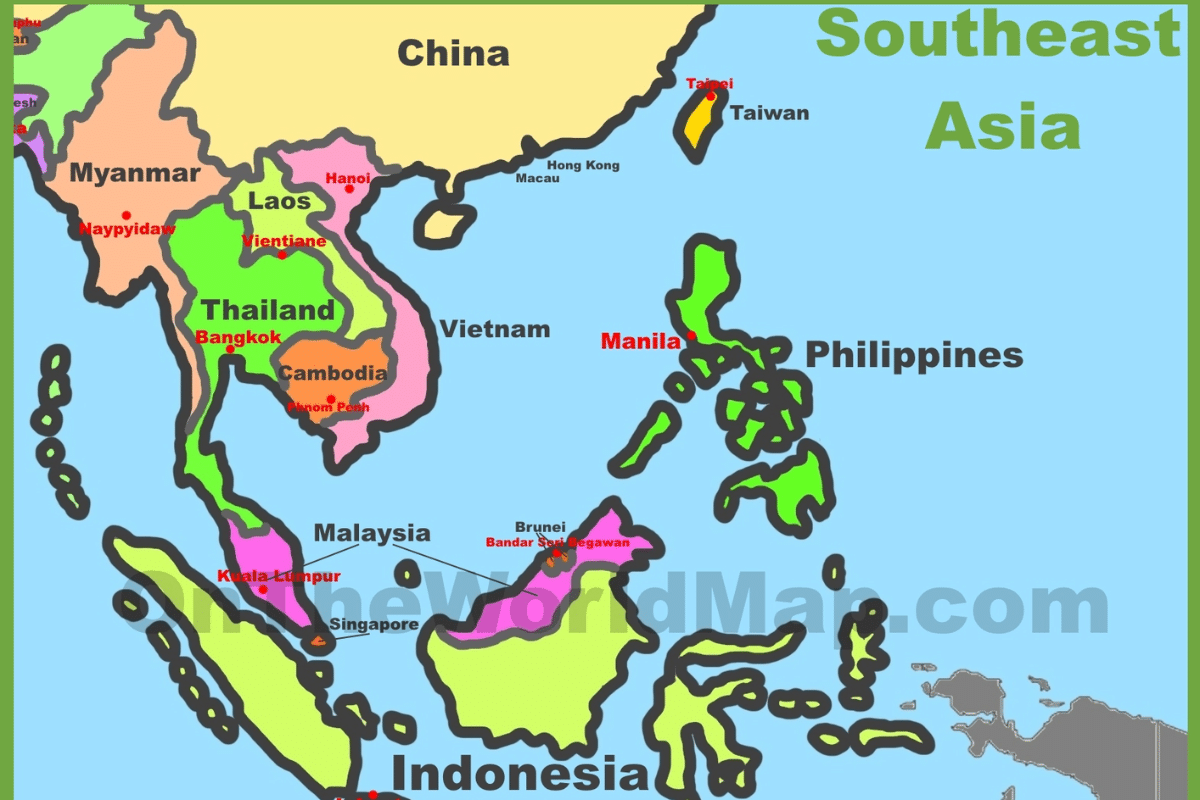
So we are now experiencing a new wave of entrepreneurs in Malaysia, where young entrepreneurs want to be global from Day 1. They are not just thinking of Malaysia’s 33 million people, but also how they can tap into the 600 million people in the Southeast Asian region. They are looking at sustainable fashion, AI-driven customer service, health-tech—the game has completely changed!
One of the best parts about being an entrepreneur in Malaysia in the year 2026 is the ecosystem. There is now easier access to mentorship and regional networks. However, the competition has also grown more difficult. You are not only competing with the shop next door, but also with entrepreneurs in Jakarta and Ho Chi Minh City. The one constant is that all of these entrepreneurs need the same thing: the “Malaysian Soul,” which means being adaptable, multilingual, and culturally sensitive.
If you are considering starting a business, do not wait for the “perfect” moment. Most of the individuals listed above started when things were not in their favour. Most did not have all of the answers; they simply had “thick skin” and were willing to take a chance. It is not a bad thing to be a little kan cheong (anxious) because this will move you forward.
Common Questions About Local Business Icons
Would you like more detailed accounts of the individual entrepreneurs or would you prefer looking at what industries are emerging in Malaysia for coming year?