
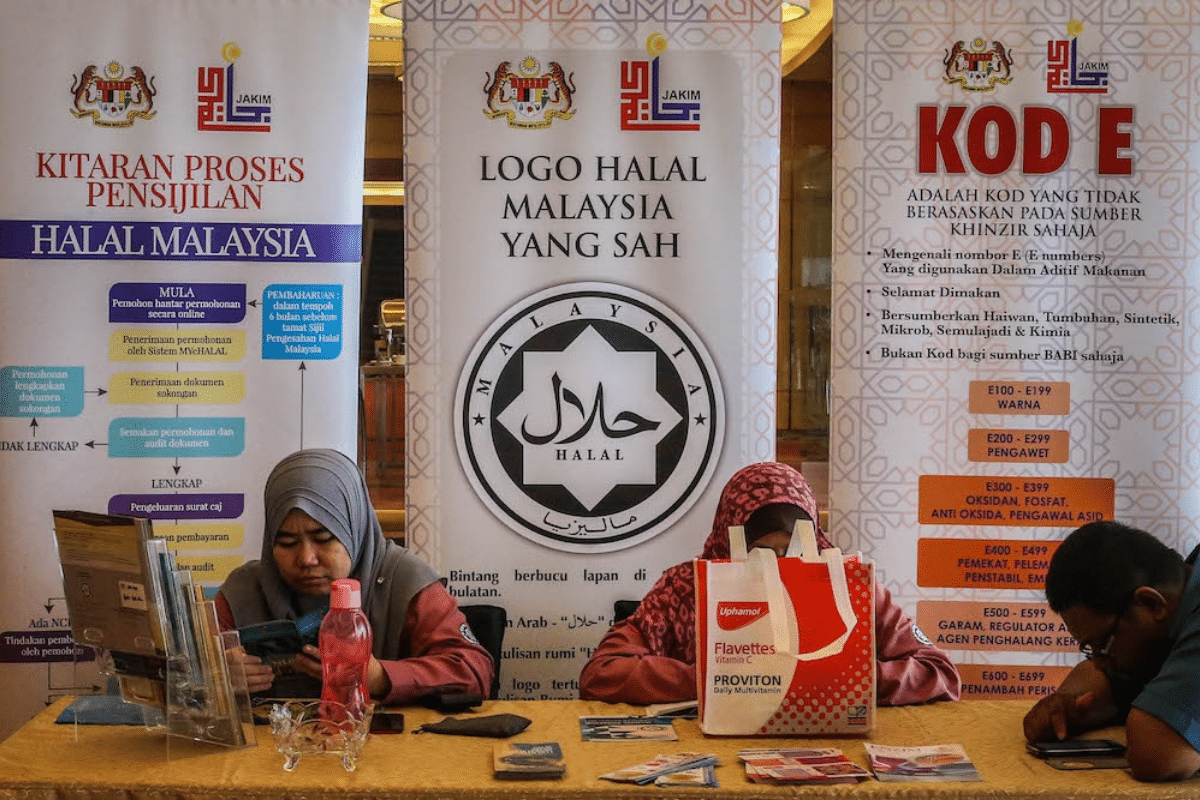

The Halal Certification Process Is More About Daily Compliance Than One-Time Approval
Whether you’re grabbing a coffee in a trendy Bangsar café or visiting a food processing plant in the heart of Klang, there’s a quiet revolution happening in the backend. For a long time, the Halal Certification Process was viewed by many local business owners as a specialized niche, something only relevant to specific demographics. But walk into any SME networking event today, and you’ll realize the conversation has shifted. Business owners are now talking about Halal as a “quality management system” that sharpens their competitive edge in a crowded market.
In Malaysia, having that halal logo malaysia is like having a five-star rating for your supply chain. It tells the consumer that you aren’t just “good enough”—it proves you are consistent, clean, and transparent. For the average brand, this transition isn’t just about changing ingredients; it’s about a total professionalization of how work gets done.
Halal Certification Process: Building a Transparent Paper Trail
One of the first things business owners discover during the halal certificate application is that oral promises mean nothing. In this world, if it isn’t on paper, it didn’t happen. The level of halal documentation malaysia required is often the biggest hurdle for traditional businesses that have relied on “handshake deals” for decades.
You have to track every single item. From the detergent used to wash the floors to the lubricant used on the conveyor belts, everything must have a verified source. For a halal sme malaysia, this often leads to a major “spring cleaning” of their supplier list. While it feels like a headache at first, this rigorous halal certification checklist actually helps business owners identify inefficiencies they never knew existed. By the time they finish the application, they usually have a much tighter, more reliable network of partners.
The Cost of Excellence: Investing in Structural Integrity

When people talk about the halal certification cost malaysia, they often focus on the government fees. However, the real cost is usually found in the “gap analysis.” Most businesses find that to reach halal compliance malaysia, they need to make physical or systemic changes. This could be as simple as changing the layout of a warehouse to prevent cross-mixing or as complex as installing high-grade drainage systems.
It isn’t about the hard sell; it’s about the technical alignment. This investment in halal manufacturing malaysia standards pays off by reducing waste and ensuring that the brand is ready for the high expectations of the modern consumer.
Halal Certification Process The Site Visit: When Practice Meets Policy
The halal audit process is where the “talking” ends and the “doing” is verified. When officers from the authorities visit a site in Johor or Penang, they aren’t just looking at the products. They are looking at the habits of the people. Are the staff wearing the correct gear? Is the waste management system being followed?
This is why halal standards malaysia are so respected globally. They don’t just audit a snapshot in time; they audit the system. To pass, a company must prove that their halal certification requirements are being met 365 days a year, not just on the day of the visit. This creates a culture of discipline. Employees become more aware of hygiene and safety, which naturally elevates the overall quality of the brand’s output.
Future-Proofing: From Local Approval to Global Export

Why go through the jakim halal process in 2026? Because the market is no longer just local. With the halal export certification, a Malaysian company can walk into markets in the Middle East, Europe, or China. With an immediate layer of trust. The logo acts as a universal language for “clean and safe.”
The journey doesn’t end with a single certificate, either. The halal renewal process acts as a periodic health check for the business. Ensuring that standards don’t slip as the company grows. By following a solid halal certification guide, local brands are finding that they can scale much faster because their foundation is built on international-grade compliance. Ultimately, the halal business approval is less of a finish line and more of a launchpad for the next chapter of a brand’s growth.
References
- JAKIM Official Halal Portal: https://www.halal.gov.my – The primary source for application procedures and recognized foreign Halal bodies.
- Halal Development Corporation (HDC): https://www.hdcglobal.com – Insights into global Halal market trends and Malaysian industry standards.
- Department of Islamic Development Malaysia (JAKIM) Corporate Communications: https://www.islam.gov.my – General news and updates on Islamic affairs and certification policies.
💬 Frequently Asked Questions (FAQ)
How do local entrepreneurs usually navigate the realities of the Halal journey?
