
Why Your Business Wallet Might Depend on Carbon Credit Markets 2026
If you talk to any local exporter in Klang Valley or Penang these days, the conversation eventually drifts away from raw material costs to something unexpected: Carbon footprint. It used to be a “good to have” certificate to hang on the office wall, but as we navigate the Carbon credit markets 2026, it has become a survival tool. Originally, many thought this was just a Western trend, but with the latest ASEAN carbon credit market forecast, the pressure is coming from right next door.
The reality is that “Carbon” is becoming a new line item in business accounting. Whether you are a manufacturer or a logistics provider, your clients are starting to demand carbon neutrality. This isn’t just about being “eco-friendly” anymore; it’s about not getting blocked from the supply chain.
What many people didn’t see coming was how fast the Carbon credit trading for businesses Malaysia would evolve. A few years ago, you had to hire expensive consultants just to understand the jargon. Fast forward to today, and Digital carbon credit marketplace Malaysia options have simplified the process. It’s now more like online banking than a complex scientific experiment.
For local business owners, the entry point has changed. Instead of vague promises, Carbon credit verification Malaysia standards have become so strict that buyers can track exactly which forest or renewable project their money is supporting. This level of Carbon credit market transparency Malaysia is what finally convinced the skeptics. It’s no longer about “buying air”; it’s about investing in verified environmental assets that protect your brand’s reputation.
Many Carbon credit buyers Malaysia SMEs initially worried that they were too small to play this game. But the rise of platforms like CarbonCore.io has leveled the playing field. These Carbon credit platforms Malaysia allow even a small family-run factory to offset their specific carbon footprint without needing a dedicated sustainability department.
The trick is having a solid Corporate carbon offset strategy Malaysia. You don’t just buy credits randomly. Smart businesses are looking at Carbon credit investment opportunities 2026 as a way to hedge against future carbon taxes. By securing credits now, you’re essentially locking in your “right to operate” at a lower price before the Carbon credit demand forecast 2026 drives prices even higher. It’s a classic move: solve a future problem with today’s tools.
Looking at the Carbon trading market outlook 2026, it’s clear that the “early bird” advantage is real. Companies that integrated these practices early are now winning tenders over those who stayed on the sidelines. The way How businesses use carbon credits in 2026 has moved beyond just offsetting—it’s now a badge of efficiency.
In the end, it’s about the shift from seeing carbon as a liability to seeing it as a manageable asset. With the expansion of Carbon credit trading platforms Southeast Asia, we are seeing a more mature, reliable, and honestly, more profitable way to do business. If you’re still waiting for “things to go back to normal,” you might realize that this is the new normal.
Calculate your basic scope 1 emissions and explore a local digital marketplace like CarbonCore by next month.
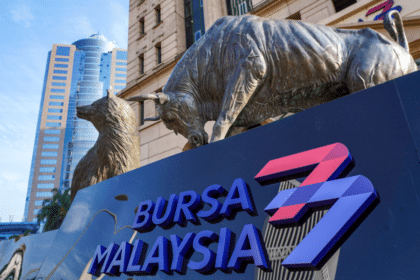
- Bursa Carbon Exchange (BCX) – Official platform for carbon trading in Malaysia: https://bcx.bursamalaysia.com/
- The World Bank Carbon Pricing Dashboard – Global trends and data for 2026: https://carbonpricingdashboard.worldbank.org/
- CarbonCore.io – Innovative digital solutions for the voluntary carbon market: https://carboncore.io/