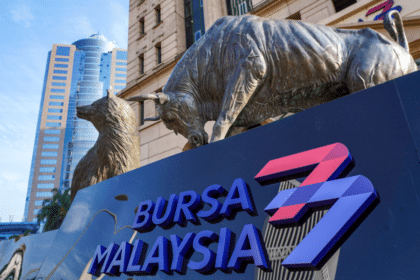


When Global Rate Signals Turn Hawkish: Understanding the Recent Pullback in Bursa Malaysia
If you checked the market during lunch hour recently, you probably noticed something familiar. The index was slightly lower. Not dramatically, but enough to change the mood. According to reports from The Star and Malay Mail, Bursa Malaysia slipped at midday amid hawkish cues from the US Federal Reserve. On another session, it ended lower in line with regional losses, weighed down by concerns surrounding US banking developments and tariff uncertainties. At first glance, it feels distant. US policy. US banks. Tariffs. What does that really have to do with investors here in KL, Penang, or Johor? Actually, quite a lot.
When the Fed Sounds Hawkish, Funds Start Moving
Many people hear the word “hawkish” and switch off. It sounds technical. Simple explanation. When the US Federal Reserve signals that interest rates may stay higher for longer, global money managers adjust their strategies. Higher US yields make American assets relatively more attractive. Capital flows naturally respond. For emerging markets like Malaysia, that often means foreign funds become more selective. Sometimes they reduce exposure. Sometimes they simply pause new allocations. This is not panic selling. It is rebalancing.
When these signals appear overnight in the US, Asian markets open the next morning already reacting. By midday, Bursa Malaysia reflects that global shift. The movement may look local. The trigger usually is not. The second layer is regional alignment. Malay Mail reported that Bursa Malaysia ended lower in line with broader Asian losses. This is important. When investors reduce exposure to Asia as a whole, individual exchanges tend to follow similar patterns.
Funds operate across markets. A portfolio manager in Singapore or Hong Kong may trim positions across several countries simultaneously. So when tariff concerns resurface or US banking worries create uncertainty, it is not just one exchange responding. It is a regional adjustment. Malaysia, being integrated into global trade and capital markets, participates in that cycle. One detail mentioned was that the market turned lower at midday.
Midday shifts are interesting. They often reflect how traders digest new information from overnight US sessions or morning regional developments. It does not necessarily signal deeper economic deterioration. Local institutions such as pension funds and domestic asset managers still provide a degree of stability. Their participation can soften volatility compared to more externally dependent markets. In other words, short-term pressure can coexist with longer-term structural resilience. That distinction matters.
Tariff Concerns and Banking Worries: Why They Travel Fast

Concerns over US banks and tariff developments may seem geographically distant. Yet financial markets price risk globally. Tariffs affect trade expectations. Trade expectations influence export-driven economies. Malaysia, with its strong manufacturing and commodity sectors, naturally becomes part of that equation. Meanwhile, banking concerns raise broader questions about liquidity and financial system stability. Even if the issue originates elsewhere, global investors reassess risk exposure everywhere.
It is not about direct impact alone. It is about perceived risk. And markets move on perception before confirmation. Many retail investors focus on index points. Up 5. Down 10. But markets are essentially collective expectations.
If investors believe US policy will remain tight, they adjust positioning in advance. If they anticipate weaker trade flows due to tariffs, they recalibrate exposure to export-related counters. These adjustments happen quietly. Often incrementally. The result appears as a modest dip in Bursa Malaysia. It is less dramatic than headlines suggest, but meaningful in what it signals: caution.
Malaysia’s Position in a Connected System
Malaysia sits in an interesting position within Asia. The economy is diversified, supported by domestic institutions, yet deeply connected to global trade and capital flows. That balance means Bursa Malaysia will reflect global shifts, especially during periods of monetary tightening or geopolitical uncertainty. At the same time, domestic participation helps prevent extreme swings.
Understanding this dual dynamic makes daily market movements less mysterious. The recent softness in Bursa Malaysia amid hawkish US Federal Reserve signals and regional pressure highlights how interconnected today’s markets are.
Movements that appear local often originate globally. Midday dips frequently reflect sentiment and liquidity adjustments rather than sudden structural change. For Malaysian investors, recognising this broader rhythm provides context. And context reduces unnecessary anxiety when global headlines start influencing local screens.
When global signals turn hawkish, observe patterns across several sessions instead of reacting to a single trading day. Sentiment shifts faster than fundamentals.